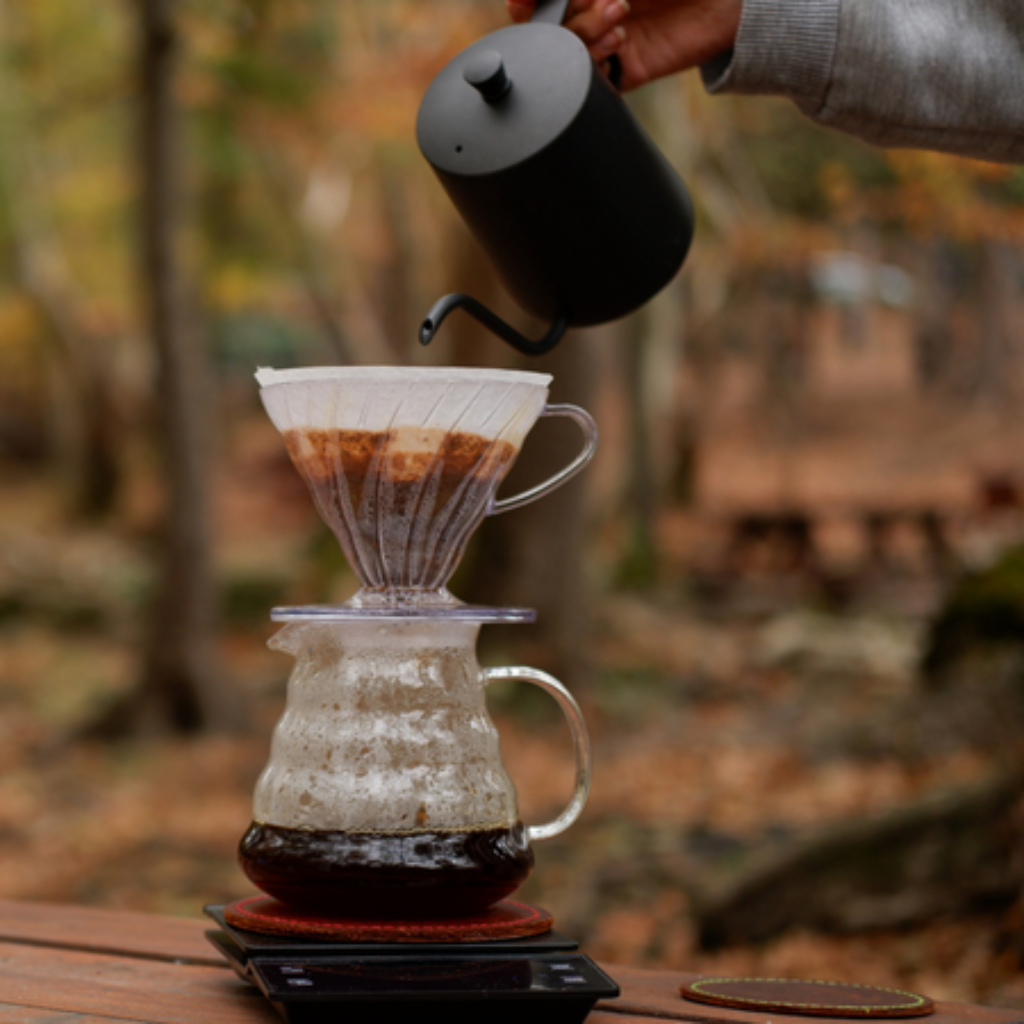
Roasting is the stage where green coffee beans transform into the aromatic beans we brew every day. Heat triggers chemical reactions that develop flavor, aroma compounds, and color. The length and intensity of roasting determine the final taste in your cup.
Understanding roast levels helps you choose coffee that matches your preferred brewing method and flavor profile.
What Happens During Roasting?
When coffee is roasted:
Moisture evaporates
Natural sugars caramelize
Aromatic oils develop
The bean expands and darkens
The longer the roast, the more the original origin flavors give way to roast-driven characteristics.
Light Roast
Key Characteristics
Light brown color
Higher acidity
Floral and fruity notes
More origin expression
Best For
Pour-over (V60, Chemex)
AeroPress
Drip coffee
Flavor Profile in Colombian Coffee
Expect bright acidity, citrus notes, and delicate aromatics that reflect the growing region.
Medium Roast
Key Characteristics
Medium brown color
Balanced acidity and sweetness
Notes of caramel, nuts, and chocolate
Medium body
Best For
Drip coffee
French press
Balanced espresso
Flavor Profile
Colombian coffee at medium roast often delivers a smooth, well-rounded cup with caramel sweetness and mild acidity.
Dark Roast
Key Characteristics
Dark brown color
Lower perceived acidity
Bold, smoky or toasted notes
Fuller body
Best For
Espresso
Milk-based drinks (lattes, cappuccinos)
Flavor Profile
Dark roasts emphasize intensity and body over origin-specific flavors.
Does Roast Level Affect Caffeine?
Roast level does not significantly change caffeine content. Differences between light and dark roasts are minimal and generally not noticeable in practical consumption.
How to Choose the Right Roast
Prefer bright, complex flavors → Light roast
Want balance and versatility → Medium roast
Enjoy bold, intense coffee → Dark roast
FAQ
Which roast is best for espresso?
Medium to medium-dark roasts typically work best for espresso because they provide body and balanced flavor.
Does dark roast contain more caffeine?
No. Caffeine levels are relatively similar across roast levels.