f you are exploring the world of specialty coffee, you have likely come across a bag labeled “Honey Process” or “Honey Coffee.” Your first thought might be: Did they roast these beans with actual honey? The short answer is no. There are no bees, no sticky jars of honey, and absolutely no artificial sweeteners involved.
Instead, the “honey process coffee” refers to a highly artisanal and meticulous method of preparing the coffee cherry after it is harvested. The result is a naturally sweet, incredibly complex cup of coffee that bridges the gap between traditional washed coffees and natural (dry) coffees.
In this guide, we will explore exactly what honey process coffee is, why it tastes so uniquely sweet, and how we craft our limited micro-lots at Altamira Farm.
The Anatomy of a Coffee Cherry
To understand the honey process, we first need to understand the coffee cherry itself. Every coffee bean starts as a seed inside a fruit. The cherry consists of several layers:
Skin (Exocarp): The tough outer layer.
Mucilage (Mesocarp): A sticky, sugary, and fruity layer just beneath the skin.
Parchment (Endocarp): A papery hull protecting the seed.
The Seed: The actual coffee bean that we roast and brew.
In standard “Washed” coffees, the skin and the sticky mucilage are completely removed before the beans are dried. In “Natural” coffees, the entire cherry is left intact to dry in the sun.
The Honey Process sits right in the middle.
How Does the Honey Process Work?
When farmers use the honey process, they remove the outer skin of the coffee cherry but intentionally leave the sticky, sugar-rich mucilage attached to the parchment while the bean dries in the sun.
Because this sticky mucilage layer feels and looks a lot like honey, the method earned the name “Honey Process.”
As the beans dry on raised beds, the natural sugars and fruity acids from the mucilage ferment slightly and are absorbed directly into the coffee bean. This requires constant turning and careful monitoring to prevent over-fermentation, making it a very labor-intensive and highly respected method in the specialty coffee industry.
Why Does Honey Process Coffee Taste So Sweet?
If you prefer a coffee with a natural sweetness and a medium-to-syrupy body, this process is for you. Because the beans dry while coated in their own natural sugars, the final cup boasts a unique flavor profile:
Pronounced Sweetness: Expect notes of brown sugar, panela, or caramel.
Fruity Acidity: Depending on how much mucilage is left, you’ll often taste stone fruits like peach, cherry, or plum.
Complex Body: It has a heavier, more syrupy mouthfeel compared to washed coffees, but it is cleaner than a full natural coffee.
Our Exclusive Micro-Lots at Altamira Farm
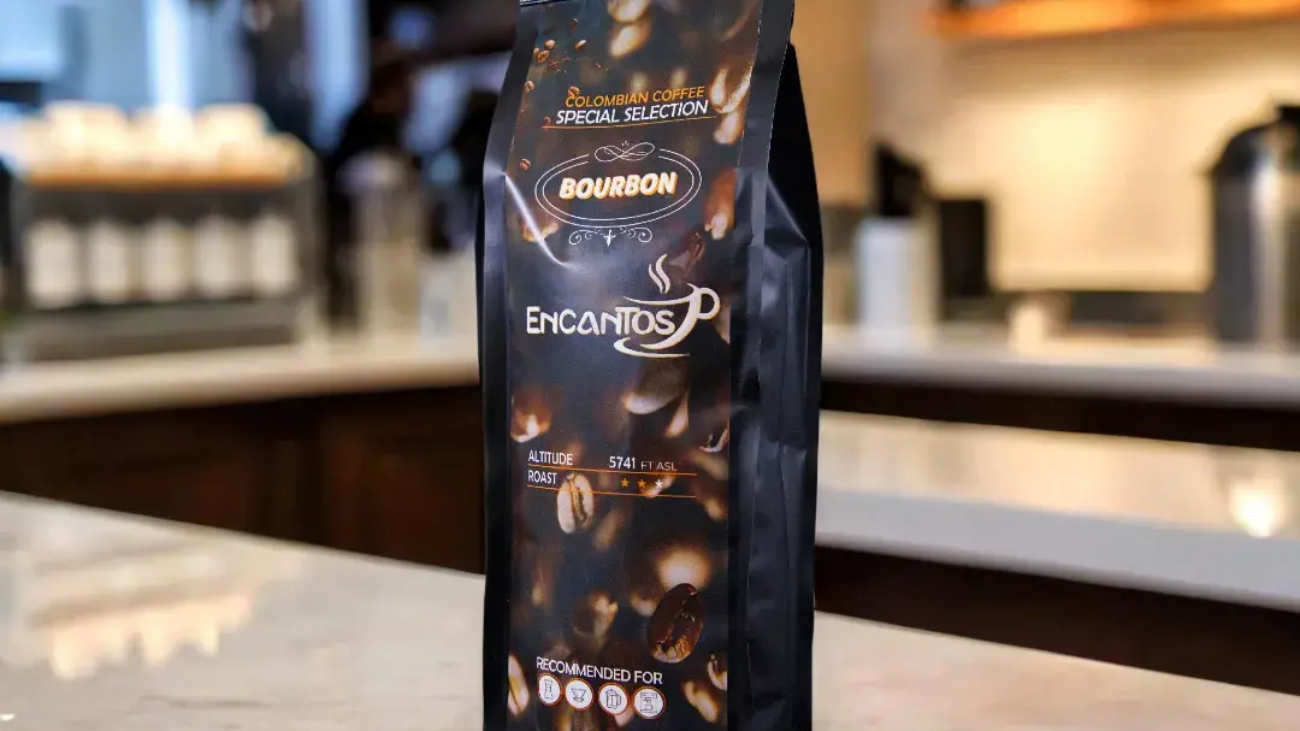
At Encantos Café, our Honey Process Colombian Coffee is treated as a highly exclusive micro-lot. Sourced directly from Altamira Farm in the high-altitude, volcanic soils of Colombia, our dedicated farmers carefully hand-pick only the ripest cherries to undergo this demanding process.
Because the honey process relies so heavily on perfect weather conditions and requires meticulous daily care, our harvests are extremely limited. We only roast these 100% Arabica, single-origin beans in small batches to ensure the highest quality possible.
How to Brew Naturally Sweet Coffee
To get the most out of complex, naturally sweet beans, we recommend brewing methods that highlight clarity and acidity.
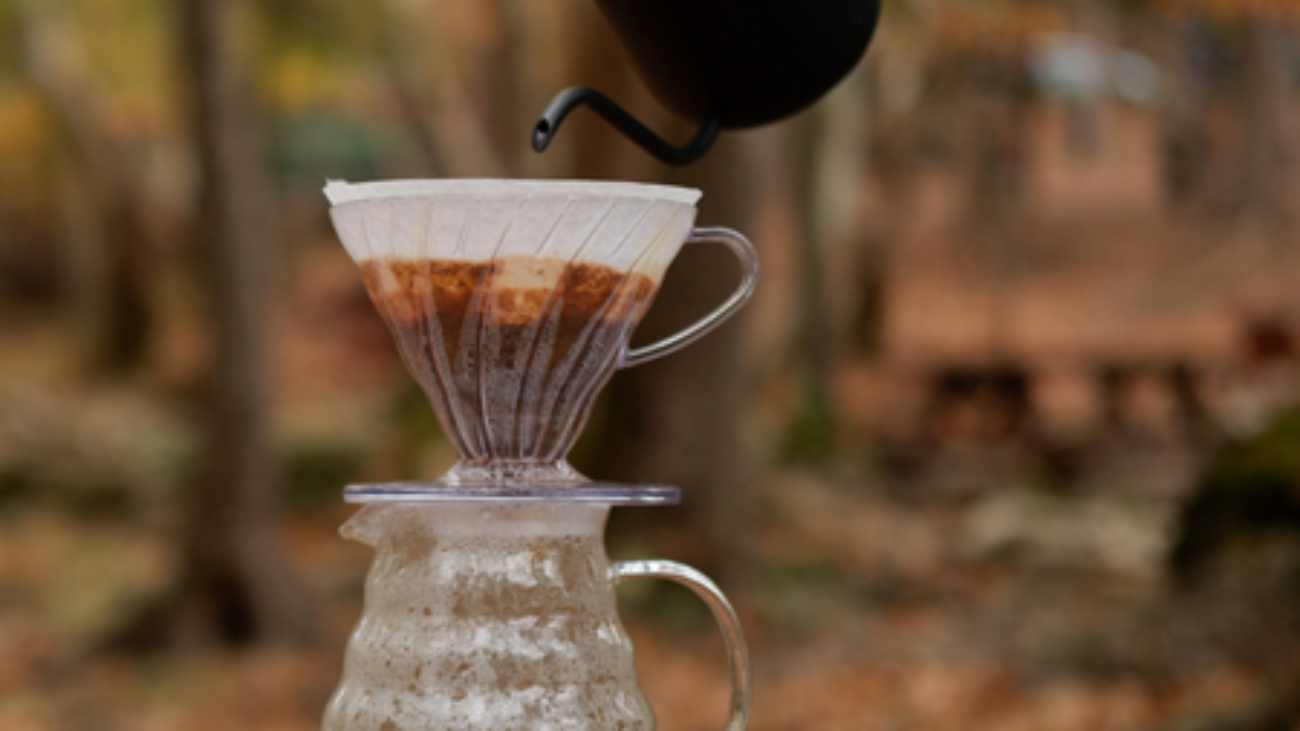
Pour-Over (V60 or Chemex): This is the ideal method. The paper filter will catch the oils, allowing the bright, fruity notes and natural sweetness to shine through clearly.
French Press: If you prefer to highlight the syrupy body and richer brown sugar notes, a French press is a fantastic choice.
Pro Tip: Always use freshly ground coffee beans and water just off the boil (around 195°F – 205°F) to properly extract those delicate sugars without burning the roast.
Experience the natural magic of Altamira Farm today.
Coffee is sensitive to environmental factors. Exposure to oxygen, heat, light, and humidity can cause it to lose aroma and flavor quickly. Proper storage preserves freshness and ensures better-tasting coffee.
The Four Enemies of Coffee Freshness
Oxygen (causes oxidation)
Light (degrades flavor compounds)
Heat (accelerates staling)
Moisture (affects oils and aroma)
Avoiding these elements helps maintain quality.
Best Practices for Storing Coffee
Use an Airtight Container
Store coffee in a sealed, opaque container to limit oxygen and light exposure.
Keep It in a Cool, Dry Place
Room temperature storage in a pantry is ideal.
Avoid Refrigeration
Refrigerators introduce moisture and temperature fluctuations that can damage flavor.
Buy Smaller Quantities
Purchase only what you will use within a few weeks.
Grind Just Before Brewing
Whole beans preserve flavor longer. Grinding exposes more surface area to oxygen.
How Long Does Coffee Stay Fresh?
Whole beans: Best within 3–4 weeks after roasting
Ground coffee: Best within 1–2 weeks
Freshness depends on storage conditions.
FAQ
Should coffee be stored in the refrigerator?
No. Refrigeration can introduce moisture and negatively affect flavor.
Do whole beans last longer than ground coffee?
Yes. Whole beans preserve oils and aroma compounds longer than ground coffee.
Roasting is the stage where green coffee beans transform into the aromatic beans we brew every day. Heat triggers chemical reactions that develop flavor, aroma compounds, and color. The length and intensity of roasting determine the final taste in your cup.
Understanding roast levels helps you choose coffee that matches your preferred brewing method and flavor profile.
What Happens During Roasting?
When coffee is roasted:
Moisture evaporates
Natural sugars caramelize
Aromatic oils develop
The bean expands and darkens
The longer the roast, the more the original origin flavors give way to roast-driven characteristics.
Light Roast
Key Characteristics
Light brown color
Higher acidity
Floral and fruity notes
More origin expression
Best For
Pour-over (V60, Chemex)
AeroPress
Drip coffee
Flavor Profile in Colombian Coffee
Expect bright acidity, citrus notes, and delicate aromatics that reflect the growing region.
Medium Roast
Key Characteristics
Medium brown color
Balanced acidity and sweetness
Notes of caramel, nuts, and chocolate
Medium body
Best For
Drip coffee
French press
Balanced espresso
Flavor Profile
Colombian coffee at medium roast often delivers a smooth, well-rounded cup with caramel sweetness and mild acidity.
Dark Roast
Key Characteristics
Dark brown color
Lower perceived acidity
Bold, smoky or toasted notes
Fuller body
Best For
Espresso
Milk-based drinks (lattes, cappuccinos)
Flavor Profile
Dark roasts emphasize intensity and body over origin-specific flavors.
Does Roast Level Affect Caffeine?
Roast level does not significantly change caffeine content. Differences between light and dark roasts are minimal and generally not noticeable in practical consumption.
How to Choose the Right Roast
Prefer bright, complex flavors → Light roast
Want balance and versatility → Medium roast
Enjoy bold, intense coffee → Dark roast
FAQ
Which roast is best for espresso?
Medium to medium-dark roasts typically work best for espresso because they provide body and balanced flavor.
Does dark roast contain more caffeine?
No. Caffeine levels are relatively similar across roast levels.